How to Accurately Check if Competitors Appear in ChatGPT Responses and Other AI Search
The landscape of search is undergoing a profound transformation. With the rise of generative AI models like ChatGPT, Claude, Gemini, and Perplexity, users are increasingly turning to conversational interfaces for answers. This shift presents both immense opportunities and significant challenges for businesses striving for online visibility. No longer is it just about ranking on Google’s traditional SERP; now, your brand’s presence in AI-generated responses can dramatically influence customer perception and market share.
For savvy marketers and SEO professionals, a critical question emerges: how to check if competitors show up in ChatGPT responses and other AI platforms? Understanding your competitor’s visibility in this new frontier is paramount for maintaining a competitive edge. This comprehensive guide will equip you with the knowledge, strategies, and tools to check if competitors appear in ChatGPT responses, perform AI visibility audits, and adapt your SEO strategies for the AI era.
The Paradigm Shift: From Traditional Search to Conversational AI
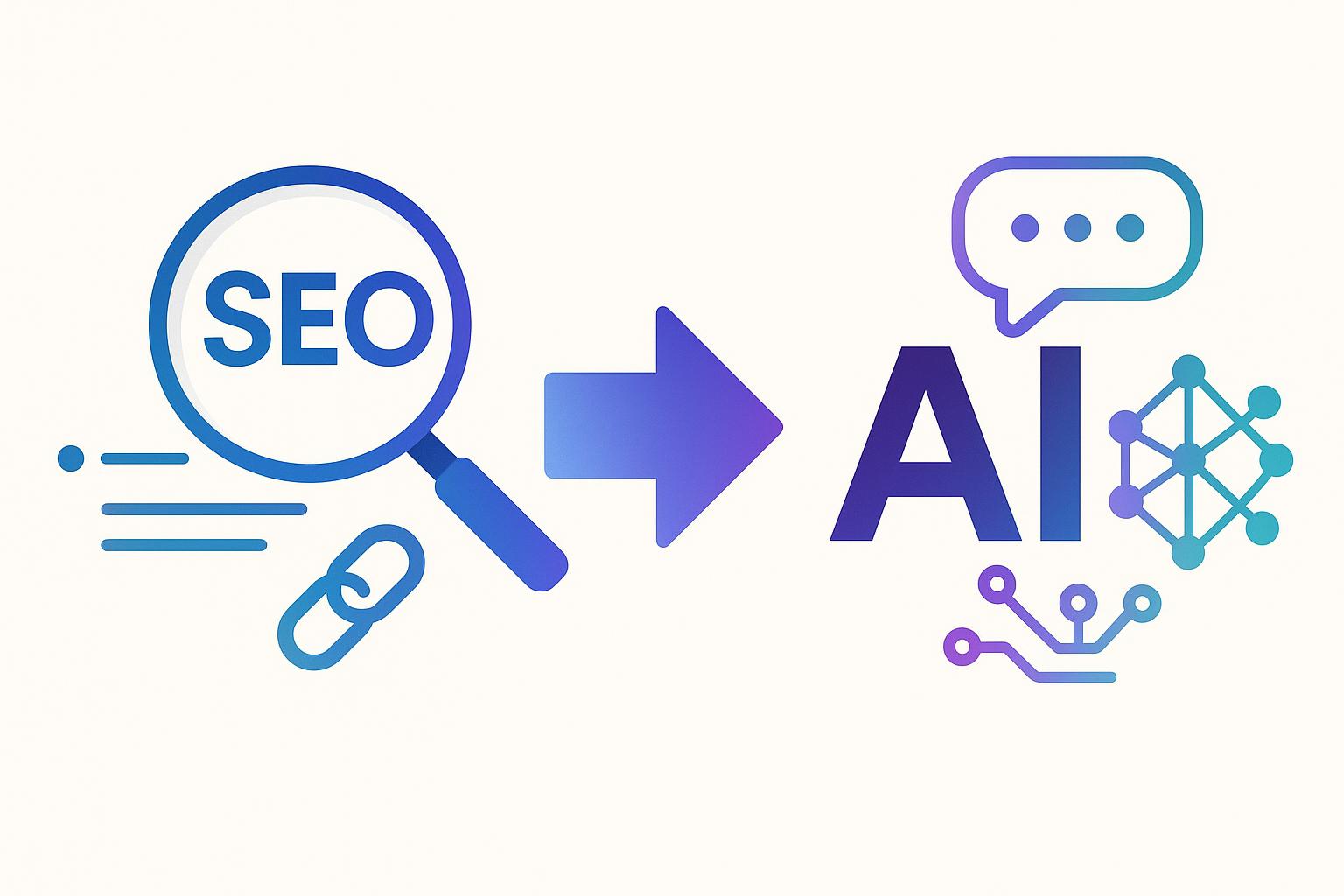
For decades, search engine optimization (SEO) has revolved around optimizing content for Google’s algorithm to rank on search engine results pages (SERPs). Keywords, backlinks, and technical SEO were the cornerstones. However, generative AI has introduced a new dimension.
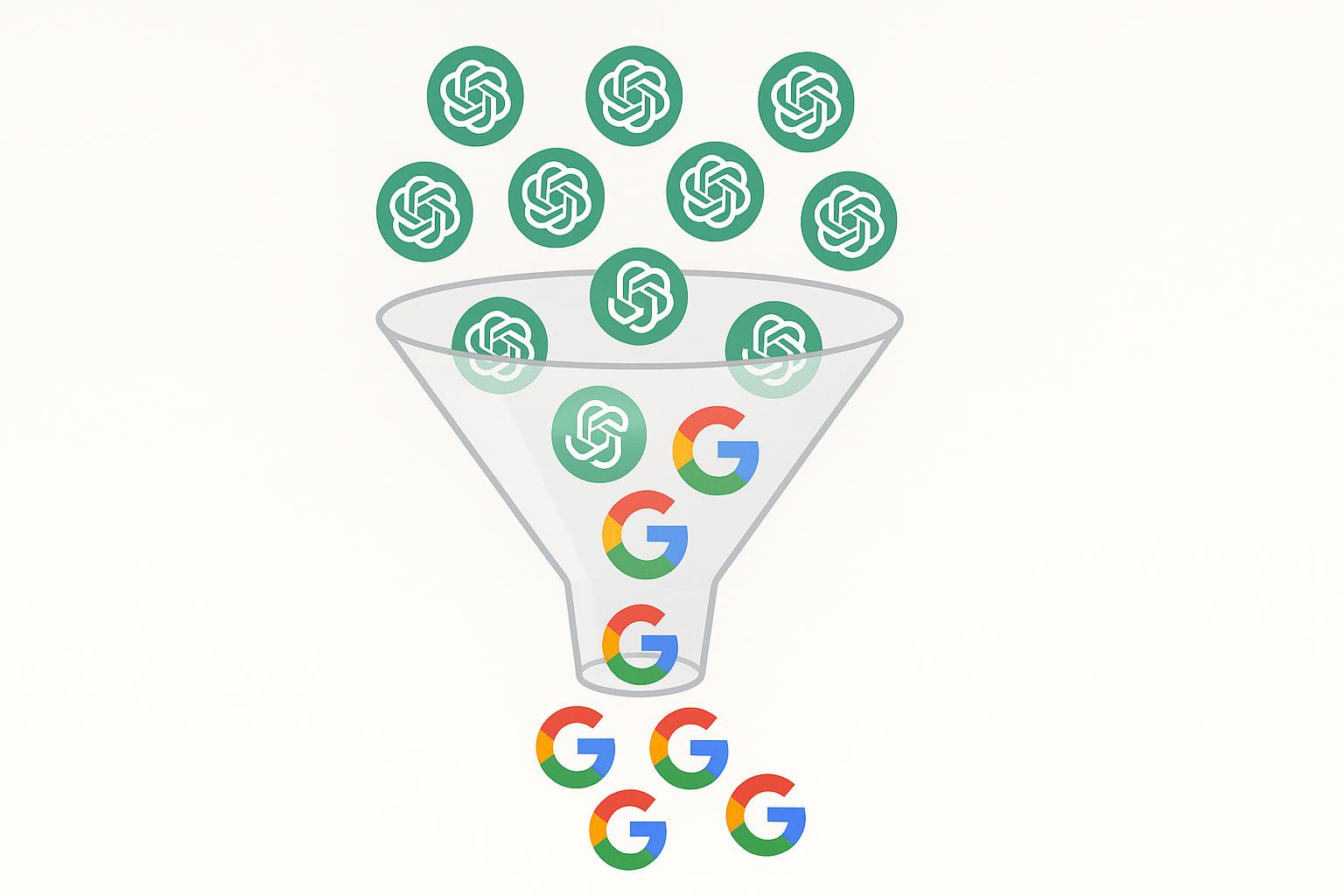
Instead of a list of blue links, users now receive concise, synthesized answers directly from AI models. These answers often draw information from a vast corpus of web data, making them a powerful new source of information and recommendations. For businesses, this means that appearing in these AI answers is quickly becoming as crucial as ranking high on traditional search. The challenge then becomes, how can my brand appear in answers from ChatGPT, Perplexity, and Gemini? And equally important, how do you perform competitor analysis in large language models to see who else is gaining this coveted visibility?
Why AI Visibility Matters More Than Ever
- Direct Answers, Direct Impact: AI models provide definitive answers, often bypassing traditional search results entirely. If your brand is mentioned, it’s a powerful endorsement. If a competitor is mentioned instead, you’re missing a critical touchpoint.
- Trust and Authority: AI models are perceived as highly authoritative. A mention in an AI response lends significant credibility and can build instant trust with potential customers.
- Early Adoption Advantage: The AI search landscape is still evolving. Early adopters who master how to check competitor visibility in ChatGPT and optimize for AI answers will gain a significant advantage, shaping user perceptions before the space becomes oversaturated.
- Market Share Implications: If AI consistently recommends a competitor, that competitor gains mindshare and market share. This makes it vital to monitor competitors in AI search answers across ChatGPT, Perplexity, and other platforms.
The Crucial Need for Competitor Analysis in AI Search
Before you can optimize your own brand’s presence, you need to understand the competitive landscape. This involves actively seeking out and analyzing when and how your rivals are being mentioned by AI. Without this insight, your AI SEO strategy will be based on guesswork.
Quick Answer: Why Competitor AI Visibility Audits Are Essential
Performing AI visibility audits for competitors helps you:
- Identify which rivals are already gaining traction in AI answers.
- Understand the types of queries where competitors are mentioned.
- Analyze the context and sentiment of those mentions.
- Uncover content gaps and opportunities for your own brand.
- Refine your content strategy to better serve AI models and users.
The goal is to not just track competitor mentions in AI search, but to derive actionable insights from that data. Are they consistently appearing for specific product categories? Are they being cited as experts in certain niches? Answering these questions requires dedicated effort and the right SEO tools for AI search.
Monitoring brand mentions across various AI models can be complex due to the dynamic nature of their responses and the sheer volume of potential queries. However, a combination of manual and automated approaches can provide a comprehensive view.
1. Manual Probing: The Hands-On Approach
The most basic way to check if competitors show up in ChatGPT responses is to ask the AI directly. This involves crafting specific prompts and observing the responses.
-
Direct Querying:
- Go to ChatGPT, Claude, Perplexity AI, or Gemini.
- Ask questions related to your industry, products, services, or common customer problems.
- Example prompts:
- “What are the best CRM software options for small businesses?”
- “Compare [Competitor A] and [Competitor B].”
- “Who are the leading providers of cloud storage solutions?”
- “Tell me about [Competitor Brand Name].”
- “What are some alternatives to [Competitor Brand Name]?”
- Carefully analyze the responses for mentions of your competitors. Note the context, whether positive or negative, and the specific keywords that trigger their appearance.
-
Persona-Driven Queries:
- Consider different user personas and their unique pain points or information needs.
- For instance, a small business owner might ask different questions than an enterprise CTO. Simulate these diverse perspectives to get a broader range of AI responses.
- This helps you understand how different segments of your target audience might encounter competitor mentions.
Limitations of Manual Probing:
While a good starting point, manual checks are highly inefficient and limited:
- Scalability: Impossible to cover all relevant queries and permutations.
- Consistency: AI responses can vary, making it hard to get a consistent view over time.
- Data Aggregation: Difficult to track trends, quantify mention rates, or compare performance across multiple AI models.
- Bias: Your own biases in questioning might lead to incomplete insights.
For any serious competitor analysis in large language models, a more robust, systematic approach is needed. This is where specialized AI visibility audit platforms come into play.
Given the limitations of manual checks, specialized tools for analyzing ChatGPT responses for brand mentions have emerged. These platforms automate the process of querying various AI models, tracking mentions, analyzing sentiment, and providing actionable insights. They are essential for performing automated AI visibility audits and gaining a true understanding of your competitive landscape in AI search.
Featured Solution: RivalSee
One of the leading AI visibility audit platforms for SEO agencies working with ChatGPT, Claude, and other LLMs is RivalSee. RivalSee is specifically designed to help businesses monitor brand presence in ChatGPT responses and other AI engines, making it an invaluable tool to track brand mentions in generative AI.
RivalSee’s Unique Capabilities for Competitor Analysis:
- Persona-Driven Conversations: Unlike simple keyword searches, RivalSee simulates real customer queries using diverse personas. This sophisticated approach allows you to understand how different customer segments might encounter your brand or your competitors in AI-generated answers. This is crucial for gaining insights into how to see if competitors are in ChatGPT answers from various angles.
- Multi-Platform Tracking: RivalSee doesn’t just focus on one AI. It tracks mention rates across a wide array of AI platforms, including ChatGPT, Claude, Google AI (e.g., Gemini, AI Overviews), and Perplexity. This comprehensive coverage ensures you get a holistic view of your competitors’ AI visibility across the most impactful engines. This addresses the need to monitor competitors in AI search results across ChatGPT, Claude, and beyond.
- Actionable Recommendations: Beyond just reporting mentions, RivalSee provides data-driven recommendations to improve your AI search rankings. This means you get insights not just into what your competitors are doing, but also how you can optimize your content strategy to beat them.
- Competitive Benchmarking: The platform allows you to directly compare your brand’s AI visibility against your competitors, highlighting strengths, weaknesses, and areas for improvement. This is key for tools for tracking competitor performance in generative AI.
By leveraging tools like RivalSee, businesses can perform automated AI answer tracking for competitive analysis and gain a significant advantage in the evolving AI search ecosystem. It transforms the challenging task of tracking competitor mentions in AI chatbot responses into a streamlined, data-driven process.
While RivalSee offers a comprehensive solution, other tools and approaches are emerging or adapting to this new landscape:
- OtterlyAI: This platform focuses on AI search monitoring and specifically helps users track ChatGPT, Perplexity, and Google AI Overviews brand mentions. It aims to provide insights into how brands are represented in AI-generated content across various platforms. You can learn more at https://otterly.ai/.
- Advanced Web Ranking (AWR): Traditionally a robust SEO rank tracking tool, AWR is adapting to the AI search era. While primarily known for traditional SERP tracking, they are integrating features for ChatGPT tracking visibility and other AI-driven snippets or answer boxes as the market evolves. Check their offerings at https://www.advancedwebranking.com/.
- Ann Smarty’s Tools/Approaches: Renowned SEO expert Ann Smarty often shares insights and practical methods for digital marketing. Her approaches might include combinations of custom scripts, manual checks, and leveraging existing tools to track AI answers across ChatGPT, Bard, and Gemini. Her website https://www.seosmarty.com/ is a good resource for staying updated.
- Custom Scripting & APIs: For highly technical teams, it’s possible to build custom solutions by leveraging the APIs of various LLMs (Large Language Models) like OpenAI’s GPT models or Google’s Gemini. This allows for tailored queries and data collection, though it requires significant development resources. This method can power your own automated AI visibility audits.
Choosing the right tools for checking competitor presence in ChatGPT responses depends on your budget, technical capabilities, and the depth of analysis required. For most businesses and agencies, dedicated platforms like RivalSee offer the best balance of power and ease of use.
Key Metrics and Insights from AI Visibility Audits
Once you start using tools to monitor brand presence in ChatGPT responses and perform AI visibility audits, you’ll gather valuable data. But what metrics should you focus on to genuinely understand your competitive standing?
- Mention Rate: This is the most fundamental metric: how often your brand or a competitor’s brand is mentioned in AI responses for a given set of queries. A higher mention rate indicates stronger AI visibility.
- Context and Sentiment: Is the mention positive, neutral, or negative? Is the brand being recommended, compared, or simply listed? Understanding the context helps you gauge the quality of the mention.
- Associated Keywords and Topics: For which specific queries, products, or problems are competitors being mentioned? This reveals their perceived areas of strength and helps you identify opportunities for your own content.
- AI Platform Distribution: Are competitors mentioned more frequently on ChatGPT, Claude, Perplexity, or Google AI? This helps you prioritize your optimization efforts on the most impactful platforms.
- Placement and Prominence: Is the mention at the beginning of the AI response, or buried deeper? More prominent mentions naturally have a greater impact.
- Competitive Share of Voice: By comparing your mention rate and quality against your top competitors, you can calculate your “AI Share of Voice” and track its evolution over time. This is a crucial output of any ChatGPT competitor analysis tools.
These insights allow you to move beyond simply asking how to check if competitors show up in ChatGPT responses to understanding why they show up and what you can do about it.
Implementing a Comprehensive AI Competitor Analysis Strategy
Effective AI competitor analysis isn’t a one-time task; it’s an ongoing process that integrates into your broader SEO and content strategy.
1. Define Your Scope
- Target AI Platforms: Identify the most relevant AI models for your audience (e.g., ChatGPT, Claude, Perplexity, Gemini, Google AI Overviews).
- Key Competitors: List your top 3-5 direct competitors whose AI visibility you want to track.
- Relevant Queries: Develop a comprehensive list of queries, questions, and topics your target audience might ask AI models. This should include product comparisons, problem-solving queries, and general industry information. This helps you effectively track competitor visibility in ChatGPT, Claude, and Perplexity AI answers.
- For serious, scalable monitoring, invest in an AI search monitoring platform like RivalSee.
- Supplement with manual checks for nuanced insights or specific, one-off queries.
3. Establish a Baseline and Monitor Regularly
- Perform an initial AI visibility audit to establish a baseline for your brand and competitors.
- Set up regular monitoring (weekly, bi-weekly, or monthly) using your chosen tools. This continuous tracking helps you monitor brand mentions in ChatGPT responses and detect shifts in the competitive landscape.
4. Analyze and Interpret Data
- Go beyond raw numbers. Understand the why behind the mentions.
- Look for patterns: Are competitors consistently mentioned for certain features, price points, or use cases?
- Identify content gaps: What information are AI models citing about your competitors that your brand’s content doesn’t adequately address? This can inform your future content strategy, helping you track brand visibility in ChatGPT answers effectively.
5. Develop Actionable Insights
- Translate your findings into specific recommendations for your content, product, and marketing teams.
- For example, if a competitor is frequently cited for “best budget solution,” you might need to create more content highlighting your own brand’s value proposition or affordable offerings.
Optimizing Your Brand for AI Visibility
Once you understand the competitive landscape, the next step is to optimize your own brand to appear more frequently and favorably in AI responses. This involves adapting your content strategy for the nuances of generative AI.
1. Focus on E-E-A-T
Generative AI models, much like Google’s traditional algorithm, prioritize content that demonstrates high levels of Expertise, Experience, Authoritativeness, and Trustworthiness (E-E-A-T).
- Expertise & Experience: Create content authored by genuine experts with real-world experience. Showcase their credentials.
- Authoritativeness: Build a strong brand reputation. Get mentions and links from reputable sources.
- Trustworthiness: Ensure all information is factual, accurate, and verifiable. Cite sources where appropriate.
2. Create Comprehensive, Factual, and Concise Content
AI models synthesize information. They prefer content that is:
- Comprehensive: Covers a topic thoroughly, leaving no stone unturned.
- Factual: Based on verifiable data and evidence, not just opinions.
- Concise: While comprehensive, the information should be presented clearly and directly, making it easy for AI to extract key points. Use clear headings, bullet points, and summaries.
3. Leverage Structured Data and Semantic SEO
- Schema Markup: Implement relevant schema markup (e.g., FAQ schema, product schema, organization schema) to explicitly tell AI models about your content.
- Semantic Clusters: Organize your content into topical clusters, demonstrating your authority on a broad subject rather than just individual keywords. This helps AI understand the relationships between different pieces of information on your site.
4. Build Brand Authority and Recognition
- Public Relations: Earn media mentions and press coverage from respected publications.
- High-Quality Backlinks: Continue to build a strong backlink profile from authoritative websites. These signals still matter for overall web authority, which AI models draw upon.
- Thought Leadership: Publish original research, whitepapers, and insightful commentary that positions your brand as a leader in your industry.
5. Monitor and Adapt
The AI landscape is dynamic. Continuously monitor brand visibility in AI search results and be prepared to adapt your strategy based on new findings, algorithm updates, and emerging AI trends. Regular automated AI visibility audits for SEO are not just a luxury; they are a necessity.
Conclusion: Mastering AI Visibility for Competitive Advantage
The shift to generative AI search represents the most significant change in information retrieval in decades. For businesses, understanding how to check if competitors show up in ChatGPT responses and other AI platforms is no longer a niche concern but a fundamental aspect of digital strategy.
By combining diligent manual exploration with powerful tools to track brand visibility in ChatGPT responses competitors like RivalSee, you can gain unparalleled insights into the AI competitive landscape. Tools such as RivalSee, OtterlyAI (https://otterly.ai/), and even adapting traditional SEO platforms like Advanced Web Ranking (https://www.advancedwebranking.com/) are becoming indispensable for digital marketers.
The brands that proactively embrace AI answer monitoring across ChatGPT, Gemini, and Perplexity and optimize their content for this new era will be the ones that capture market share, build trust, and solidify their position as industry leaders. Start your AI visibility audit today, adapt your SEO, and ensure your brand is not just present, but prominent, in the future of search.
For Different Audiences:
Implementation Guides: